Are Your LOTO Practices Truly Protecting Your Crew?
Lock Out Tag Out (LOTO) is one of the most critical yet most neglected safety systems in maritime operations. Here’s what the data — and a tragic incident — tell us.
What Is LOTO — and Why Does It Matter?
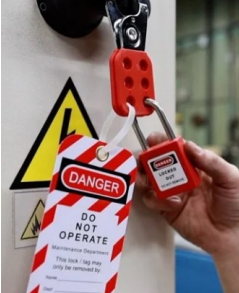
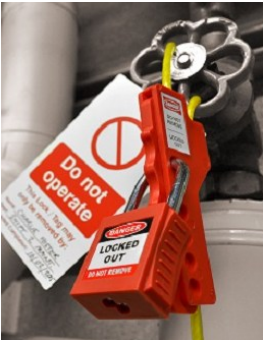
Lock Out Tag Out (LOTO) is a safety procedure designed to prevent the accidental start-up or energisation of machinery during maintenance or inspection work. When properly applied, it physically isolates equipment so no one can inadvertently activate it while a crew member is working on it.
Beyond protecting lives, effective LOTO also:
- Reduces unplanned downtime from maintenance incidents
- Builds crew confidence and a stronger safety culture
- Directly impacts vessel inspection outcomes and validity periods
A Fatal Consequence of Skipping LOTO
The following incident illustrates exactly what happens when LOTO is treated as a formality rather than a firm requirement.
A 3rd Engineer was assigned to inspect and clean Ballast Pump Motor #1 while the vessel was at anchor. A “Do Not Use” notice was hung on the starter panel — but the pump was never electrically isolated. The notice was dislodged by A/C airflow. Unaware of the ongoing maintenance, another crew member activated the ballast system. The motor started unexpectedly. The 3rd Engineer suffered fatal electrocution and blunt force trauma.
The LOTO equipment was onboard. It was simply never used.
Root Causes
- No electrical isolation performed on the pump
- Crew had received no formal LOTO training
- The Safety Management System mentioned LOTO — but had no implementation procedures
- Internal audits never checked whether LOTO was being applied
- No cross-department communication during active maintenance
What RightShip Inspection Data Shows
Data from 3,610 RightShip inspections (January to August 2025, covering 3,021 vessels) reveals a troubling pattern:
- 758 findings were recorded under RISQ Question 4.8 (isolation/LOTO)
- 567 of those — 75% — involved LOTO-specific shortcomings
- Vessels with repeat LOTO findings were twice as likely to receive reduced validity (6 months or less)
Of the vessels with LOTO shortcomings, here’s how inspection validity broke down:
| Inspection Outcome | % of LOTO Shortcoming Vessels |
| Unacceptable | 18% |
| 3 Months Validity | 26% |
| 6 Months Validity | 18% |
| 9 Months Validity | 17% |
| Full 12 Months Validity | 21% |
Only 1 in 5 vessels with LOTO gaps achieved a full 12-month validity. Strong LOTO compliance directly translates into better inspection outcomes.
The Five Most Common LOTO Gaps
Inspectors consistently report the same shortcomings across vessels:
| Common LOTO Gap | What It Means |
| Procedures exist, no equipment | SMS mentions LOTO but no physical locks/tags onboard |
| Equipment unused | LOTO gear is available but crew are not using it |
| Tags only, no locks | Simple signs hung instead of actual physical isolation |
| Untrained crew | Personnel don’t know how or when to apply LOTO |
| No isolation records | Work carried out without documented LOTO verification |
Important: Having a fully stocked LOTO station is NOT the same as having an effective LOTO system. Equipment that sits unused offers zero protection.
Key Actions for Vessel Operators
To close the gap between having LOTO procedures and actually living them:
- Integrate LOTO into every work permit — not just the SMS document
- Provide hands-on, practical LOTO training — not just awareness sessions
- Appoint a LOTO Champion onboard as the subject matter expert responsible for implementation
- Audit for actual LOTO usage — not just equipment presence
- Issue personal padlocks to crew and shore-side visitors performing maintenance
- Recognise and acknowledge good LOTO practice when observed — reinforce the behaviour
Going Further: From LOTO to LOTOTO
The next evolution in isolation safety is LOTOTO — Lock Out, Tag Out, Try Out. The added “Try Out” step requires the worker to actively attempt to start the equipment after isolation, confirming it is truly de-energised before work begins.
This extra verification step eliminates assumptions — one of the most common contributors to workplace incidents. Vessel operators who adopt LOTOTO demonstrate a proactive safety culture that goes beyond minimum compliance.
LOTO is not a checklist item. It’s the difference between a crew member going home safe — and not going home at all.