Vessel Hardening Plan
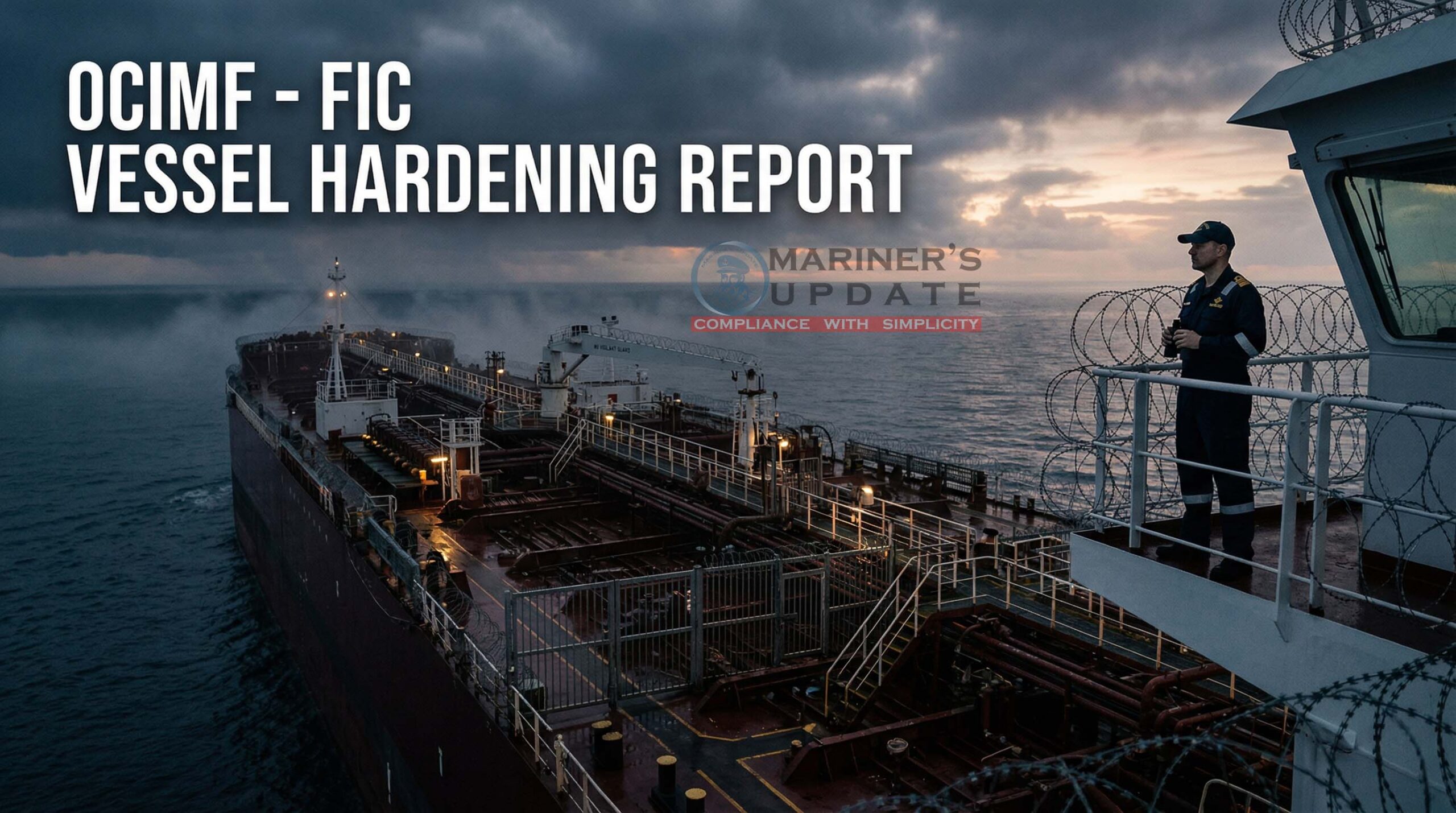
One of the question categories in SIRE 2.0 is the campaign type. Under this, OCIMF carried out a Focused Inspection Campaign (FIC), and the findings are as follows:
Earlier, most findings were about things you could see — missing barriers, unsecured access points, incomplete arrangements.
Today, those visible gaps are reducing. But something else is becoming more evident.
The issue is no longer equipment. It is how well the system behind it works.
From the inspection data, even before the campaign started, nearly half of the findings were already linked to processes such as planning, documentation and governance.
Human factors formed a large portion as well. Equipment-related issues were actually the smallest part.
During the campaign, this trend became even clearer. Hardware deficiencies dropped significantly, but process-related findings increased. Human factors remained consistently present.
This tells us one thing. As we fix what is visible, inspections begin to expose what is not working in the system.
Many vessels today have proper hardening measures in place. Barriers are rigged. Access points are controlled. Procedures are written. On paper, everything looks correct.
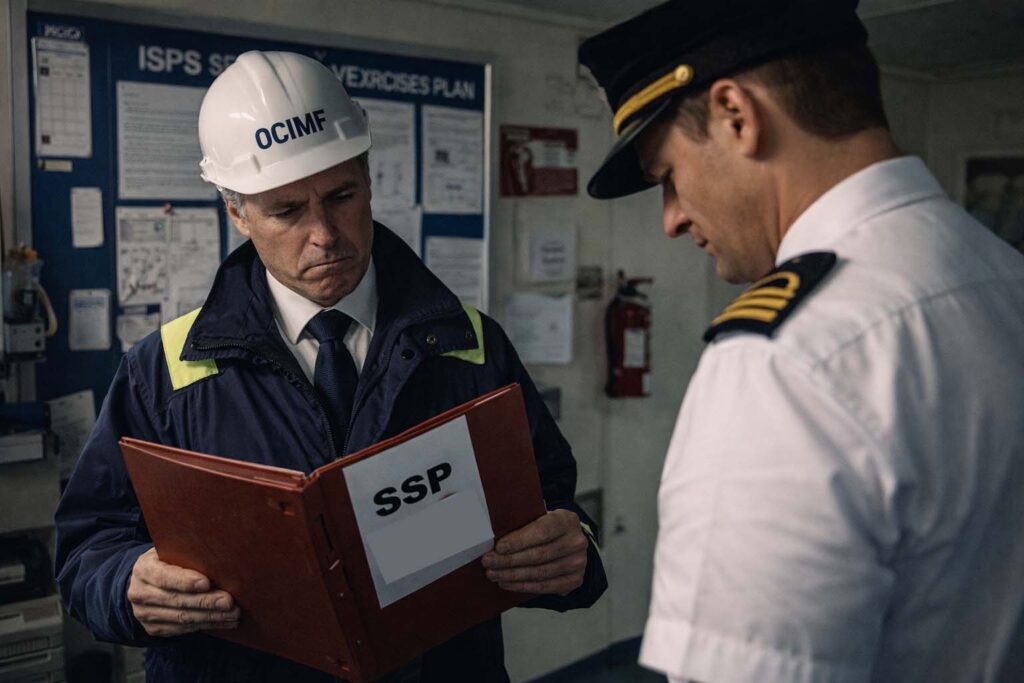
But the findings show that having arrangements is not the same as being ready.
There are gaps such as:
- Procedures that are too general and not practical
- Lack of clarity on how arrangements should be applied during real operations
- Documentation that exists, but does not support decision-making onboard
- Verification that checks records, not actual understanding
These are not failures of intent. They are signs that systems are not fully aligned with real operational conditions.
Human factors continue to be a major concern.
Drills are conducted, but not always realistically.
Familiarization is recorded, but not always tested. Responsibilities are assigned, but not always clearly understood.
When roles are unclear, hesitation follows. And in security situations, hesitation is risk.
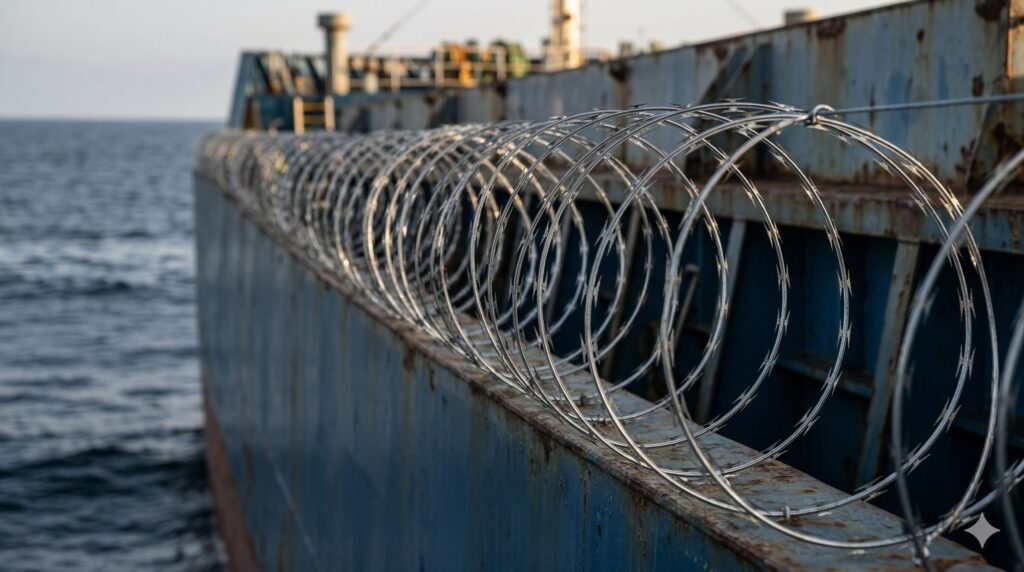
Vessel hardening depends on three things working together — people, processes and equipment. If one is weak, the whole system becomes unreliable.
The campaign also highlights an important point. This is not about declining standards. It is about changing visibility. As basic issues are fixed, deeper weaknesses naturally become more noticeable.
So the question for operators is no longer whether hardening measures are in place.
The real question is whether they can be applied consistently, under pressure, across different operations and crews.
Plans should not just exist. They should work in real conditions. Documentation should guide action, not just satisfy inspection. Verification should test understanding, not just presence.
Strong systems are not built for ideal conditions. They are built for everyday operations, including when things are busy, complex or under pressure.
In simple terms, vessel hardening is not about adding more. It is about making what we already have work properly.
That is where the focus needs to move now.
Are we just compliant, or are we actually prepared?
Checklist for ensuring your security measures complied:
- Is the Ships staff aware of company’s security policy.
- Is ISPS Certificate on board and its DOE: (SOLAS CH. IX / 2)
- What is Continuous Synopsis Record Latest Document # (CSR document issued is not later than 3 months from the date of change) Are Form 2 and 3 on board for all documents (SOLAS CH. IX / 2 // VIQ 2.1.2 , Flag State Circ)
- Are latest Security alerts from the company received, reviewed, and implemented in the voyage (Check Passage Plan)
- Does the Master understand overall responsibility for Safety and Security and can demonstrate “Overriding Authority ” as stated in the company’s manuals
- Are the following available in the SSP a. General Ship Particulars b. Ownership and Management
- Is a CSO nominated for the vessel , Are Officers and Crew aware of the role and responsibilities of CSO
- Are Master (SSO) and CO (Add. SSO) holding Security Officer Course , Is the Master / SSO familiar with SSO role and responsibilities
- Is there evidence of master’s Planning towards security.
- Is there evidence of that SSO takes regular security inspection? Date of last inspection
- Does the vessel have the OCIMF Paper- “Ship Security – Guidelines to Harden Vessels’ which provides guidance on establishing procedures and implementing a vessel hardening plan
- Does the vessel carry list of relevant security charts, publications, and guidelines?
- Is an approved SSP on board?
- Are record of changes to the SSP maintained , Are the changes approved by flag state
- Is the Part B of the SSP kept confidential and in Master’s custody
- Is the annual review of the SSP/ ISPS carried out by the Master / SSO. Date of Last review:
- Are the SSO / PFSO in contact prior vessels arrival and relevant information been passed to the port facility wrt the vessel
- Has the Master / SSO reported security related incidents to the company. Date of Last incident:
- Are records maintained to show full compliance with the ISPS code.
- Does Master have information of the following : Crew Appointment // Parties responsible for Employment of the vessel/ Charterers
- Is a Key control log / record available on board.
- Are the following records available?
1) Record of security level changes
2) The security level at which the ship is currently operating
3) The security level at which the ship operated in any previous port, where it has conducted a ship/port interface within the timeframe specified
4) Record of any special or additional security measures/ appropriate ship security procedures / other practical security related information undertaken during such interface.
23. Is the Gangway manned at all times
24.Are the Restricted areas locked / and protected by unauthorized entry (Padlocks etc)
25.Are security patrols taken as per the frequency given in the SSP
26.Are the security duties given to officers by the Master
27.Are training sessions , security drills being carried out as per company’s matrix and records available. Date of last training session/ subject:
28.Has crew attended any training ashore wrt ISPS
29.Has the vessel participated in Ship/ Shore Drill? Date of last drill:
30. In case of Deviations/ Failures, have appropriate corrective actions taken , Have the effectiveness of corrective actions verified
31. Is the quarterly Security report completed
32.Are officers aware of the function of the ship security alert system and how it operates?
33. If SSAS Type Approval from Flag State available SSAS Annual Test Report Last Done Date:
34.Is AIS Type approval certificate available
AIS Annual test report Last Done Date:
LRIT Test Report Last Done Date:
#MarinersUpdate #MaritimeNews #MerchantNavy #ShippingIndustry #LifeAtSea #Seafarers #ShipManagement #MaritimeSecurity
#OCIMF #SIRE2 #VesselHardening #ShipInspection #Vetting #MarineSafety #HumanFactors #FIC #SafetyCulture
#MaritimeInnovation #SecurityAwareness #TechnicalManagement #OilAndGas #TankerShipping #MarineEngineering #ComplianceVsPreparedness