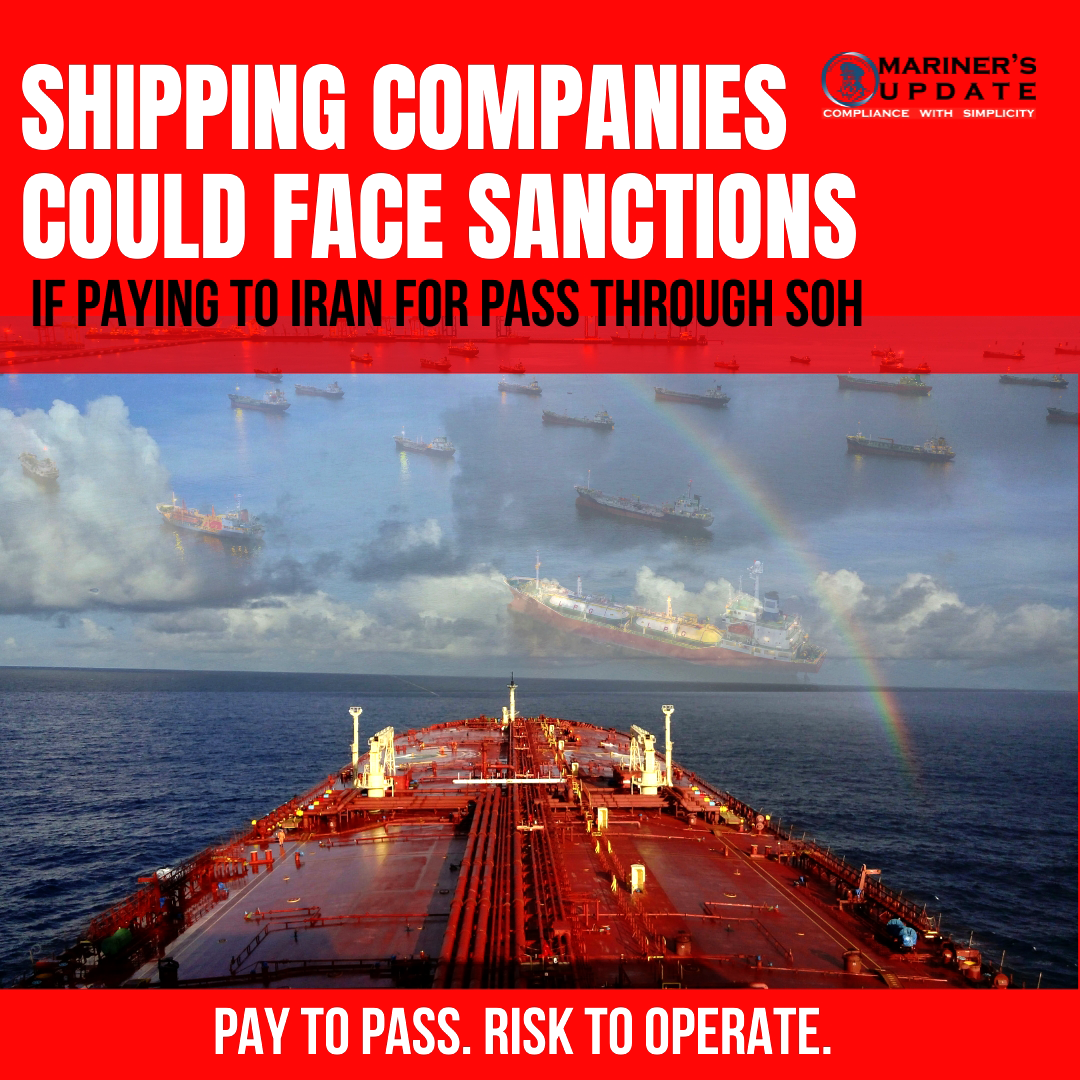
Rising geopolitical tensions are placing global shipping under renewed scrutiny. The U.S. Office of Foreign Assets Control has issued a strong warning: companies could face sanctions if they make any form of payment to Iran in exchange for safe passage through the Strait of Hormuz.
This critical waterway—handling nearly 20% of global oil and gas trade—has become a focal point of confrontation following the escalation involving United States, Israel, and Iran.
After reported attacks and threats targeting vessels, Iran has at times offered alternative passage routes closer to its coastline—allegedly in exchange for fees. However, U.S. authorities have made it clear that any form of payment—cash, digital assets, informal swaps, or even indirect contributions—could trigger enforcement action.
In response, the United States Central Command has intensified measures, including a naval blockade of Iranian ports, aiming to restrict Tehran’s oil revenues. Reports indicate that dozens of commercial vessels have already been advised to turn back, underscoring the operational and compliance risks now facing the maritime industry.
For shipowners, charterers, and operators, this is more than a regional issue—it’s a complex intersection of compliance, safety, and commercial continuity.