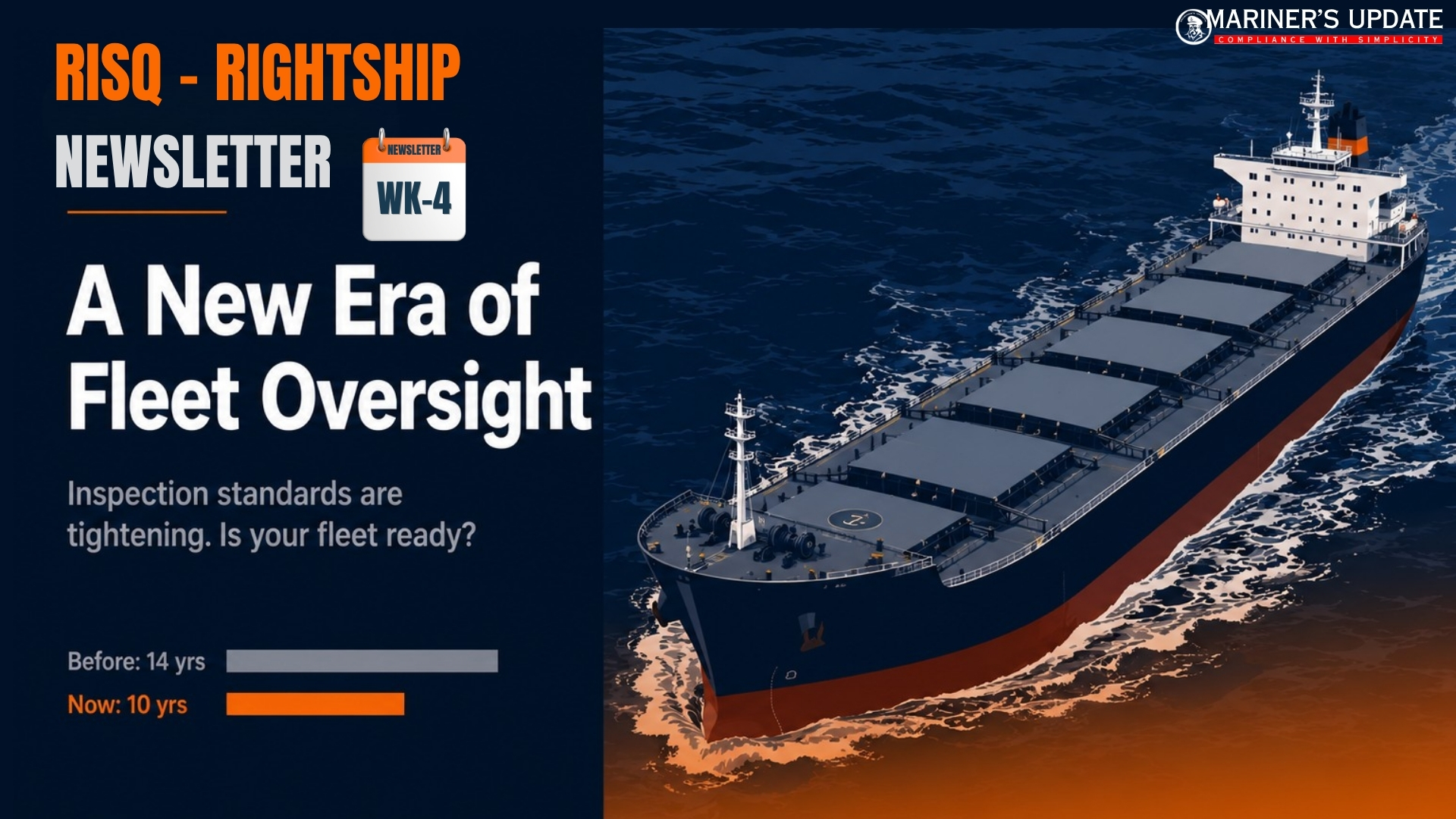
A New Era of Fleet Oversight – RightShip Inspection Age Trigger Reduced from 14 Years to 10 Year

A Major Industry Shift in Vessel Oversight
RightShip has formally revised its vessel inspection age trigger from 14 years to 10 years, rolling out through a phased implementation schedule that concludes in January 2027. This is one of the most significant changes to vetting standards in recent memory — and its commercial, operational, and reputational implications for operators are substantial.
Ship owners, fleet managers, superintendents, and masters should treat this update not merely as a compliance checkbox, but as a signal that the industry’s baseline for “acceptable” is being permanently raised.
Implementation Timeline
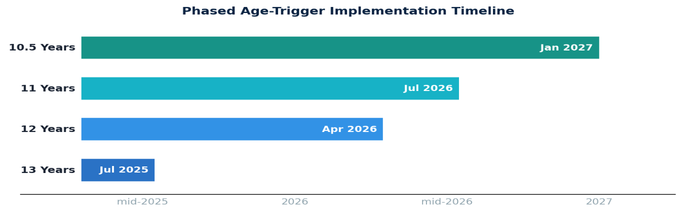
| Phase | Age Trigger | Effective Date |
|---|---|---|
| Phase 1 | 13 Years | July 2025 |
| Phase 2 | 12 Years | April 2026 |
| Phase 3 | 11 Years | July 2026 |
| Phase 4 | 10 Years | January 2027 |
Commercial & Safety Impact at a Glance
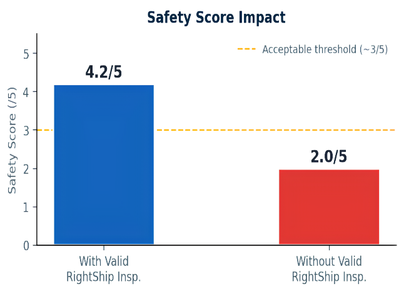
Vessels without a valid RightShip Inspection risk a safety score downgrade to 2/5, triggering vetting rejections and loss of commercial acceptance across major charterers.
What This Means Operationally
Inspection duration of 8–10 hours demands thorough pre-inspection preparation — not a last-minute sweep.
Safety culture and onboard SMS implementation will be assessed, not just hardware condition.
Superintendent presence during inspections is increasingly expected by charterers and inspection bodies alike.
Crew competency and familiarisation with vessel-specific procedures will face closer scrutiny.
Global inspector network expansion means inspection consistency is improving — making sub-standard preparation harder to mask.
Operational Readiness: Where Most Fleets Need to Improve
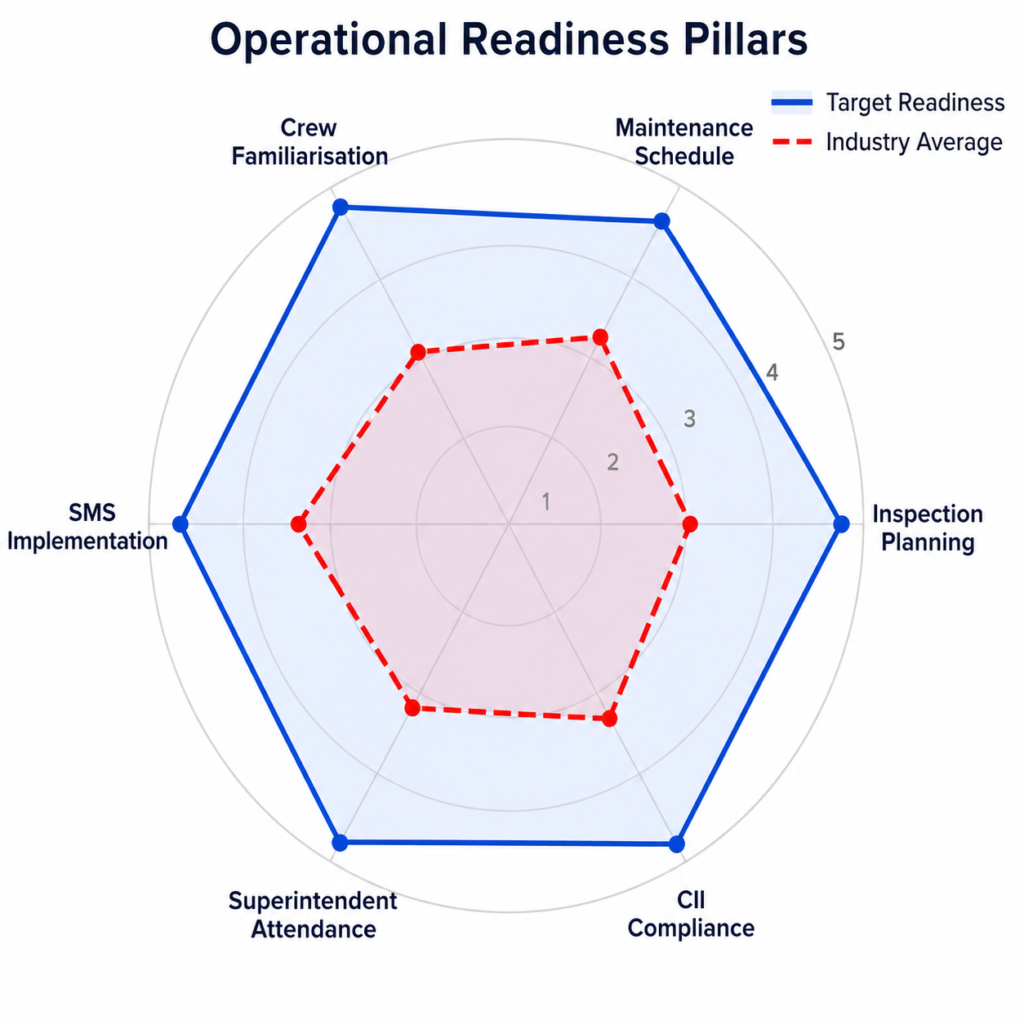
The radar chart benchmarks typical industry-average readiness against target standards across six operational pillars.
The gap is most pronounced in Superintendent Attendance and Crew Familiarisation — precisely the areas RightShip inspectors are placing greater emphasis on.
Forward-looking operators are closing these gaps by integrating inspection planning, maintenance, and crew training directly into their routine fleet management cycles — not treating them as reactive exercises.
Recommended Actions for Fleet Operators
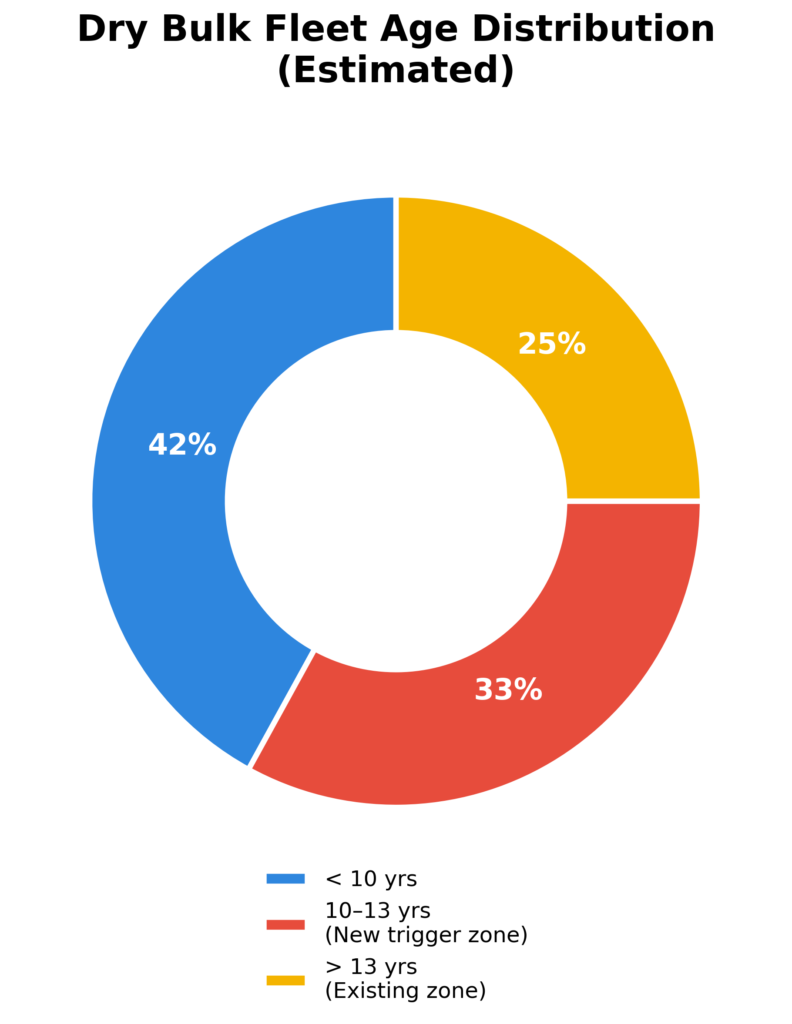
- Audit your fleet age profile against the new trigger milestones.
- Schedule RightShip inspections proactively — do not wait for commercial pressure.
- Ensure SMS documentation is current, vessel-specific, and crew-familiar.
- Plan superintendent attendance and factor it into inspection schedules.
- Align CII and PSC performance tracking with vetting preparation timelines.
- Brief masters and officers on updated inspection scope and expectations.
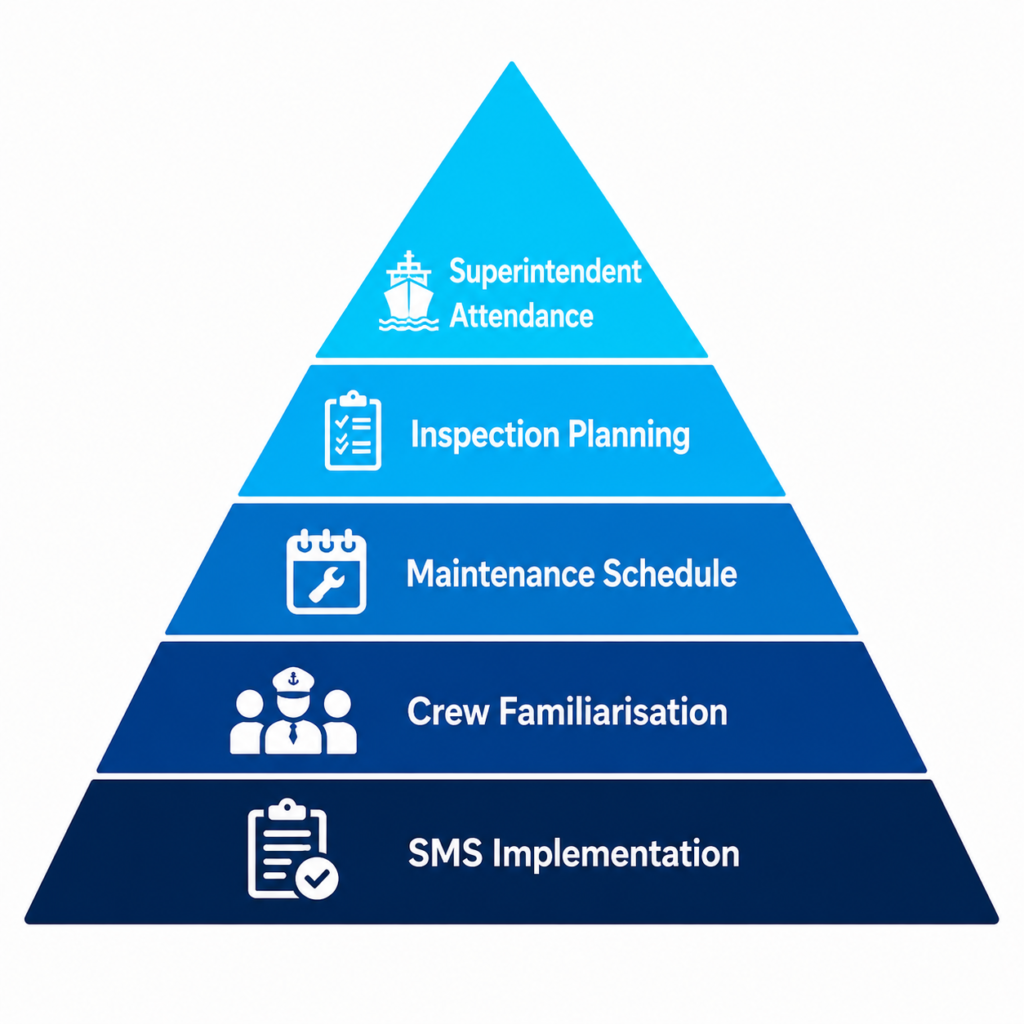
“The vessels that will succeed are not merely compliant on paper — they are operationally prepared every single day.”