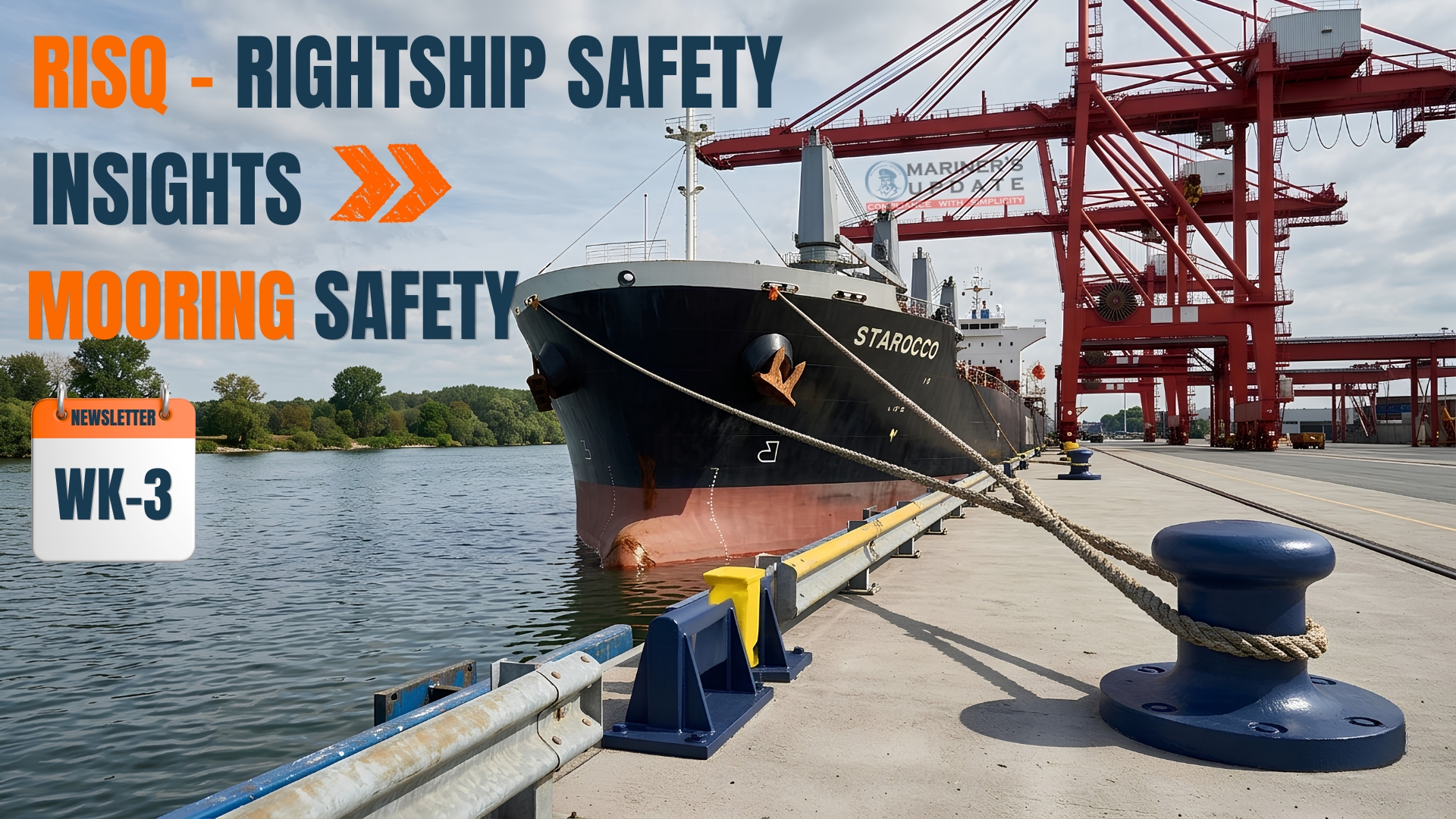
MOORING SAFETY
Key insights from incidents, inspections, and terminal feedback to improve mooring safety and reduce operational risk.
KEY HIGHLIGHTS
- 542 mooring line incidents reported on the RightShip platform (2015–2025).
- 16% of terminal feedback reports were related to mooring issues.
- 11,390 mooring-related RISQ findings identified from 7,057 inspections.
TOP RISQ FINDINGS
- Mooring lines and tails not complying with industry standards or poor condition.
- Winch brake rendering tests not conducted correctly or regularly.
- Poor condition of winches, controls, brake drums, and access arrangements.
- Weak inspection, maintenance, and wear-zone management procedures.
- Incorrect use of stoppers and improper turning up of mooring ropes.
FINDINGS CLASSIFICATION
- Plant / Equipment – 41%
- Process / Procedures – 34%
- People / Human Factors – 25%
This shows mooring incidents are not only caused by human error, but also by equipment condition and ineffective procedures.
COMMON TERMINAL FEEDBACK ISSUES
- Incorrect brake rendering tests.
- Mooring line parting incidents.
- Vessel moving away from berth due to unattended lines.
- Vessel creeping forward or aft along the wharf.
- Poor condition of mooring lines.
- Unsafe tightening of lines while personnel are in the line of fire.
- Mooring lines digging into winch drums during operations.
These issues can lead to operational delays, cargo interruptions, equipment damage, and safety risks.
MOORING SAFETY
Key insights from incidents, inspections, and terminal feedback to improve mooring safety and reduce operational risk.
KEY HIGHLIGHTS
- 542 mooring line incidents reported on the RightShip platform (2015–2025).
- 16% of terminal feedback reports were related to mooring issues.
- 11,390 mooring-related RISQ findings identified from 7,057 inspections.
TOP RISQ FINDINGS
- Mooring lines and tails not complying with industry standards or poor condition.
- Winch brake rendering tests not conducted correctly or regularly.
- Poor condition of winches, controls, brake drums, and access arrangements.
- Weak inspection, maintenance, and wear-zone management procedures.
- Incorrect use of stoppers and improper turning up of mooring ropes.
FINDINGS CLASSIFICATION
- Plant / Equipment – 41%
- Process / Procedures – 34%
- People / Human Factors – 25%
This shows mooring incidents are not only caused by human error, but also by equipment condition and ineffective procedures.
COMMON TERMINAL FEEDBACK ISSUES
- Incorrect brake rendering tests.
- Mooring line parting incidents.
- Vessel moving away from berth due to unattended lines.
- Vessel creeping forward or aft along the wharf.
- Poor condition of mooring lines.
- Unsafe tightening of lines while personnel are in the line of fire.
- Mooring lines digging into winch drums during operations.
These issues can lead to operational delays, cargo interruptions, equipment damage, and safety risks.
CASE STUDIES – KEY LESSONS
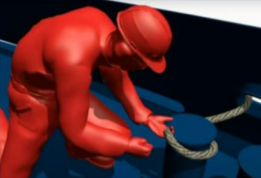
1. Hand Injury During Mooring
- Allow enough slack while handling lines.
- Stop vessel movement before placing lines over bitts.
- Ensure proper familiarization for new crew.
- Use safer line arrangements where possible.
2. Fatal Snap-Back Incident
- Identify and clearly mark snap-back zones.
- Keep personnel clear of tensioned lines.
- Stop operations immediately if risk increases.
- Consider use of snap-back arrestor technology.
3. Vessel Drifted Off Berth
- Maintain effective mooring watches.
- Monitor tides, currents, and passing vessel effects.
- Ensure correct brake settings are maintained.
4. Winch Brake Failure
- Conduct Brake Holding Capacity (BHC) tests correctly.
- Maintain valid brake test certificates.
- Follow OEM maintenance procedures.
- Ensure winch brake systems are properly adjusted.
WHAT GOOD MANAGERS DO
- Conduct safe mooring awareness campaigns.
- Provide regular mooring safety training.
- Carry out mooring audits aligned with MEG4 guidelines.
- Use anti-snap-back mooring lines where possible.
- Implement effective line management plans.
- Ensure proper BHC testing procedures.
- Improve maintenance and design of mooring equipment.
- Apply Behavior-Based Safety (BBS) programs.
- Encourage open reporting of hazards and near misses.
- Involve all crew members in risk assessments and safety discussions.
Stronger procedures, well-maintained equipment, proper training, and effective communication are essential for safer mooring operations.