Tag: #ShipManagement
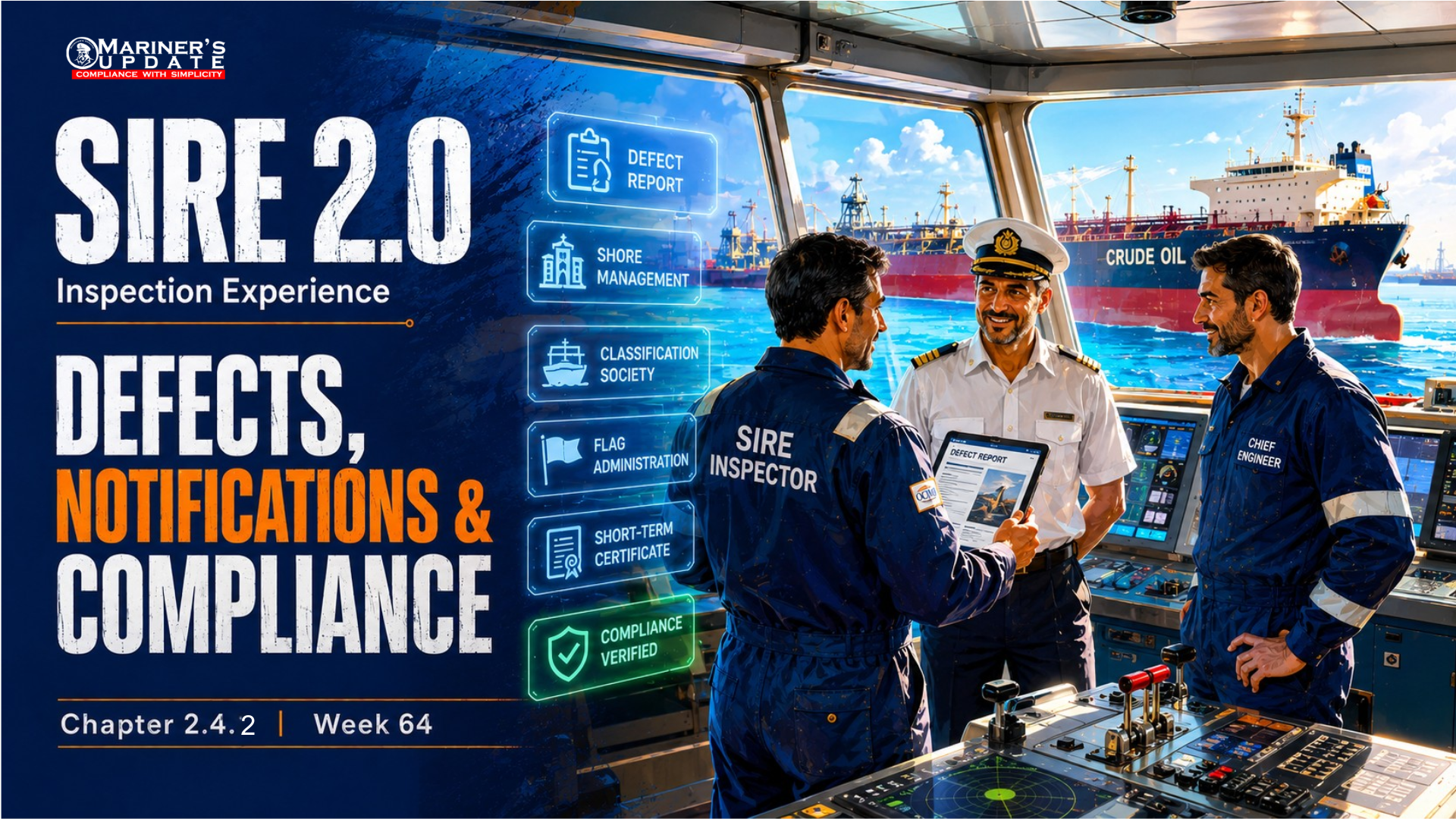
SIRE 2.0 – WK: 64 – Defects, Notifications & Compliance
Chapter 2.4.2 Where defects existed to the vessel’s structure, machinery or equipment, had the vessel operator notified class, flag and/or the authorities in the port of arrival, as appropriate to the circumstances, and had short term certificates, waivers, exemptions and/or permissions to proceed the voyage been issued where necessary? Applies […]
Read more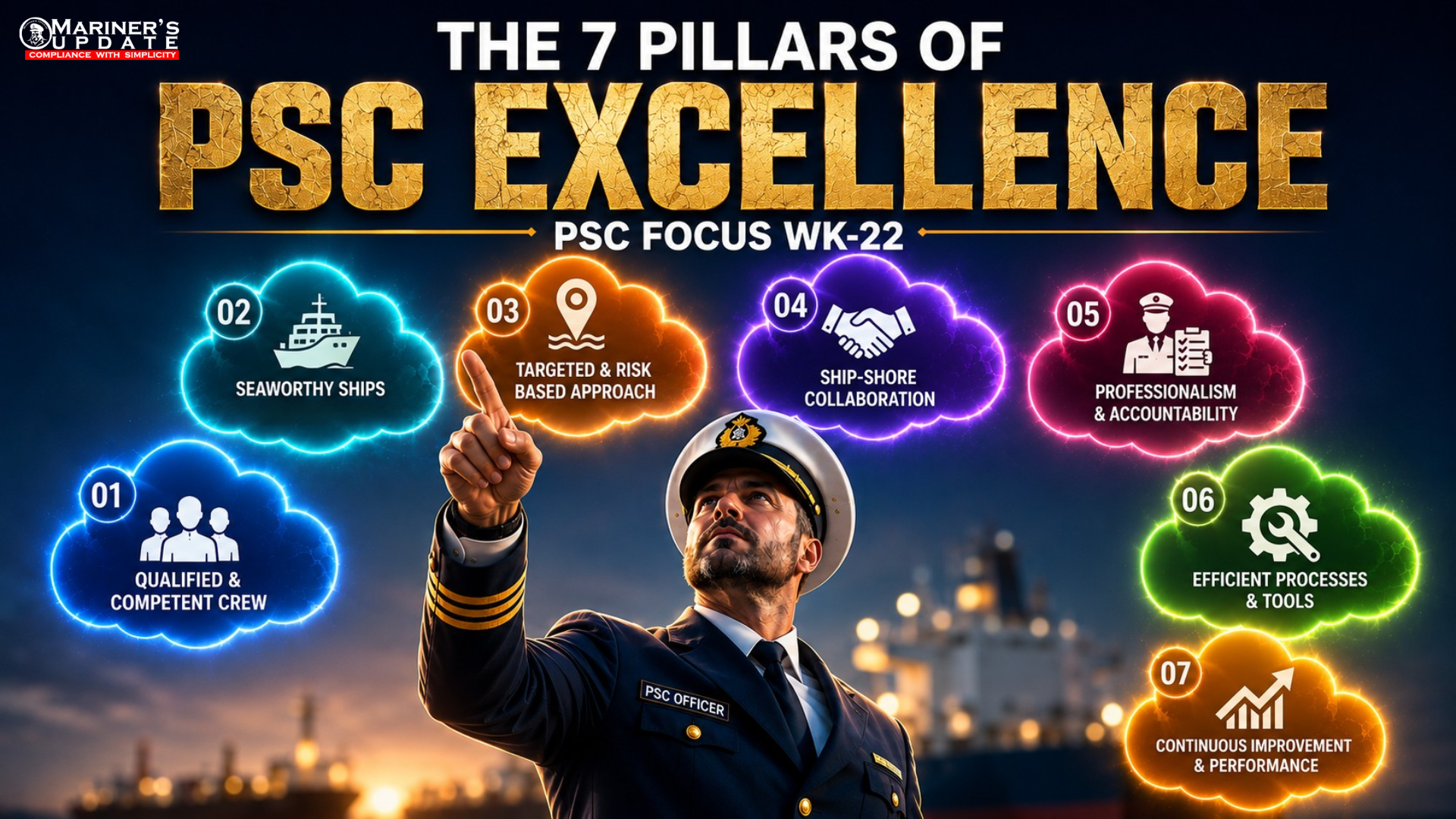
PSC FOCUS Wk-22 – The 7 Pillars of PSC Excellence
Safer Ships, Smarter Compliance: Port State Control (PSC) inspections verify that ships comply with international regulations and are operated safely, securely, and responsibly. Successful PSC performance is rarely the result of luck—it comes from strong safety culture, disciplined operations, competent crews, and proactive shore support. The Seven Pillars of PSC […]
Read more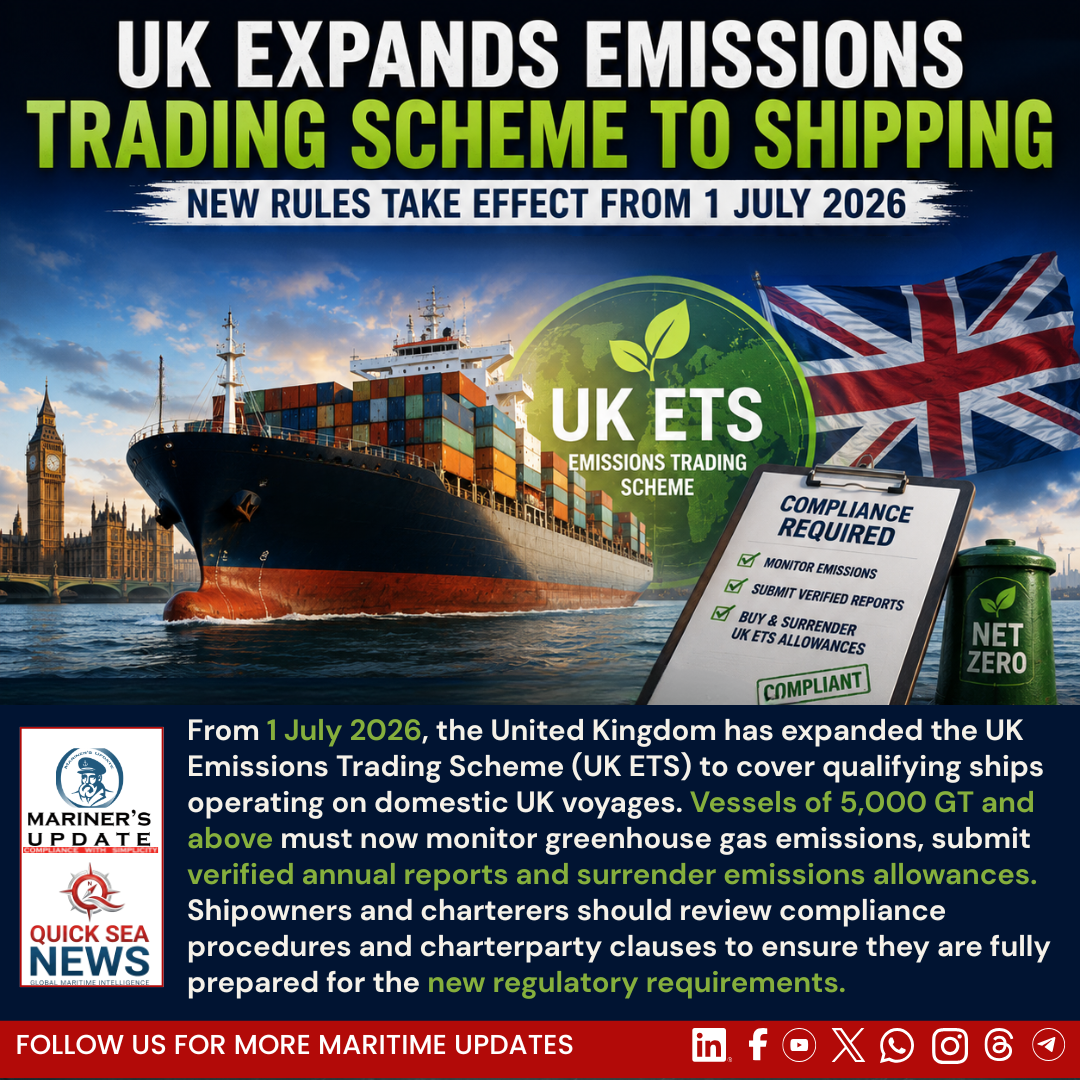
UK Expands Emissions Trading Scheme to Shipping from 1 July 2026
The United Kingdom has officially extended its Emissions Trading Scheme (UK ETS) to the maritime sector, introducing new carbon compliance requirements for qualifying vessels operating on domestic UK voyages. Effective 1 July 2026, shipowners and charterers must comply with mandatory emissions monitoring, reporting and carbon allowance obligations, marking another significant […]
Read more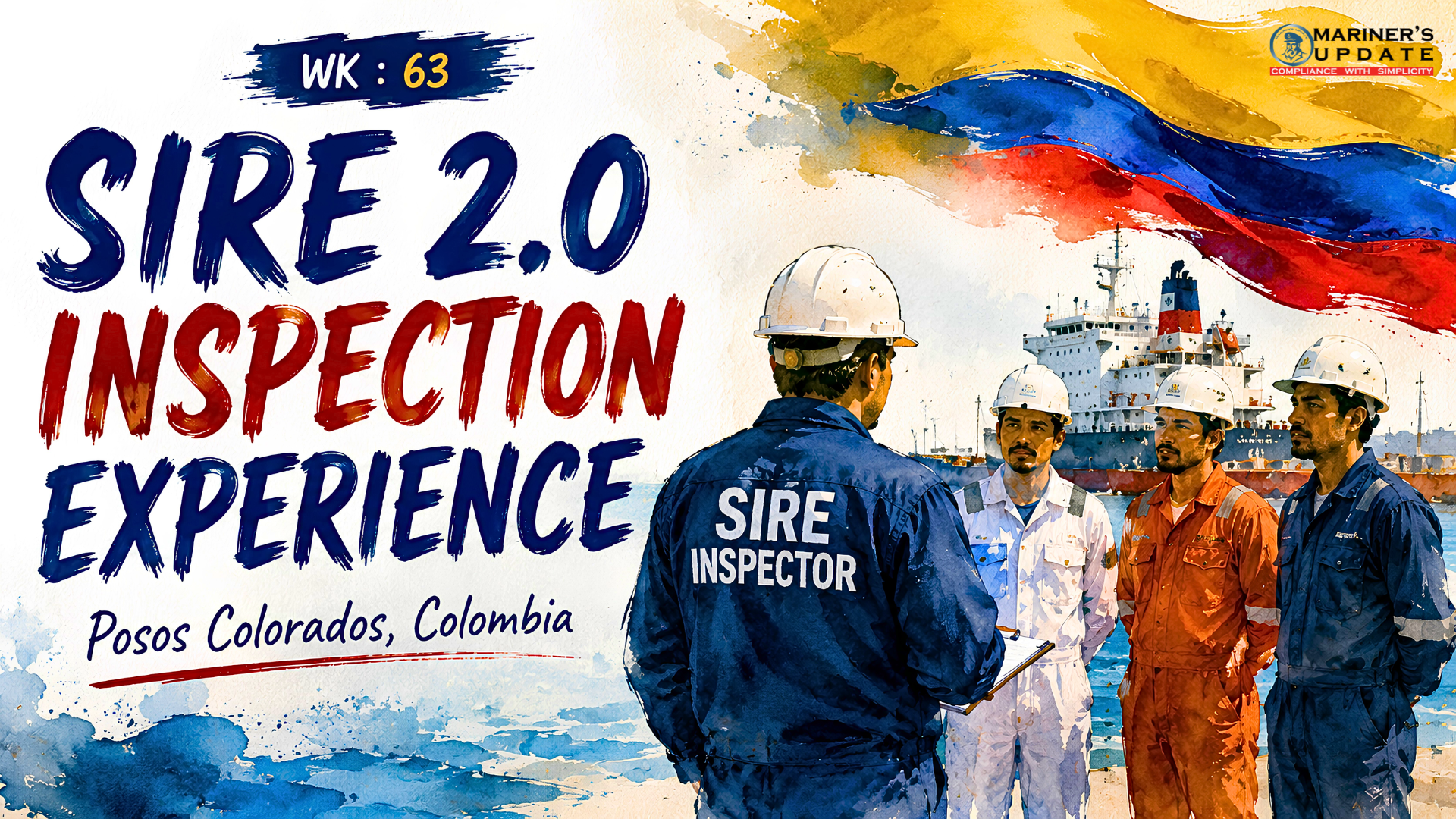
SIRE 2.0 Inspection Experience – Posos Colorados, Colombia
Capt L** | ENOC Location: Posos Colorados, ColombiaInspection Date: 26.06.26 MASTER CABIN BRIDGE BRIDGE WING & MONKEY ISLAND Compasses Safety Equipment Antennas Voyage Data Recorder (VDR) GMDSS ACCOMMODATION DECKS (GENERAL ROUND) Fire & Safety Emergency Systems LIFEBOAT DECK Lifeboat Operation Lifeboat Inventory & Systems Life Rafts C-DECK Engine Room Controls […]
Read more
New Employment Contract Brings Major Protection Boost for Filipino Seafarers
A significant overhaul of the employment framework for Filipino seafarers has come into effect, introducing one of the most comprehensive updates in recent years. Effective from 3 July 2026, the revised Standard Employment Contract strengthens seafarer welfare, modernizes compensation, enhances employer responsibilities, and aligns employment conditions with current international maritime […]
Read more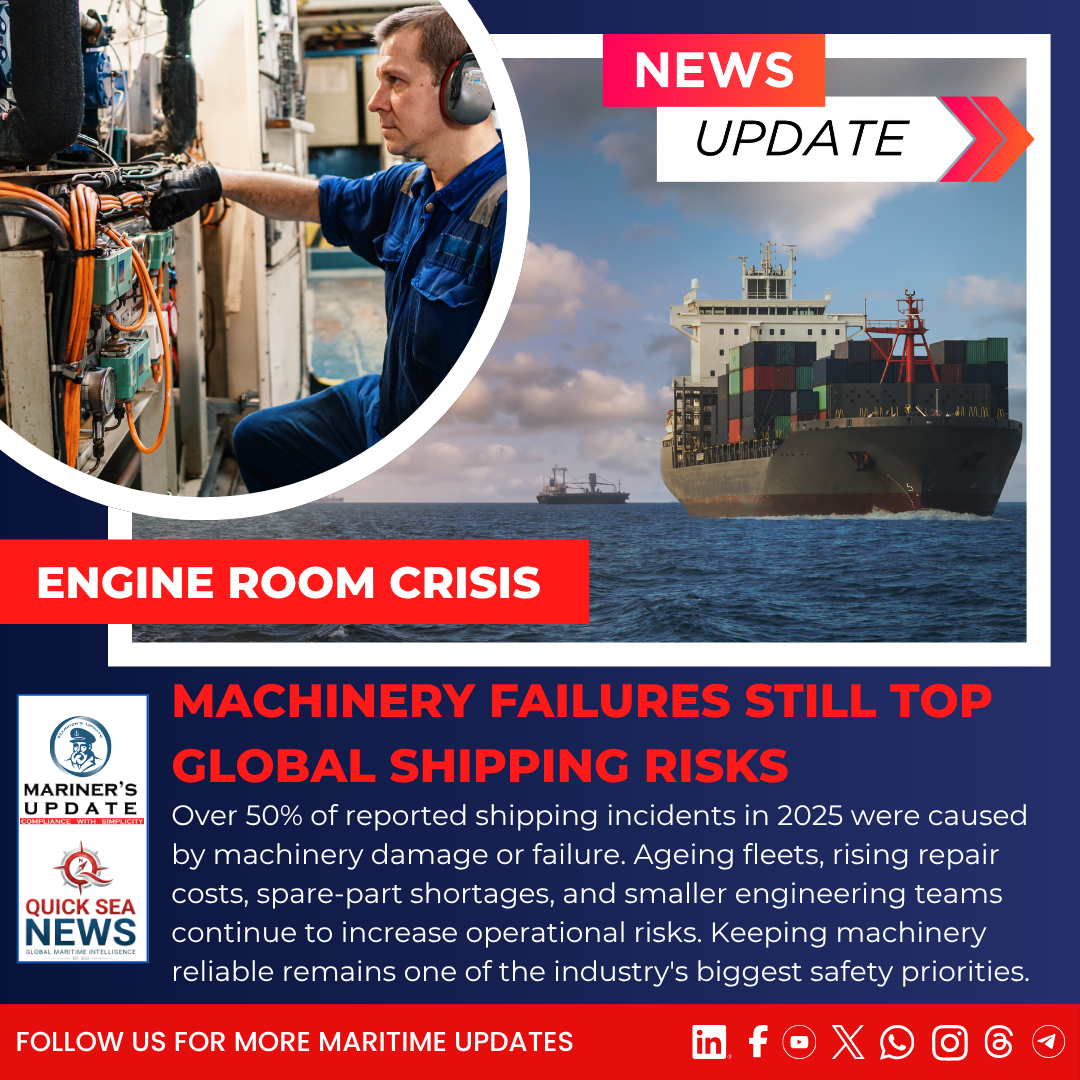
The Engine Room Crisis: Why Machinery Failures Remain Shipping’s Biggest Safety Threat
For years, the global shipping industry has celebrated a steady decline in total vessel losses and an overall improvement in maritime safety. While these achievements deserve recognition, a far more persistent challenge continues to threaten vessels worldwide—machinery failure. Recent industry data reveals that machinery damage and equipment failure remain the […]
Read more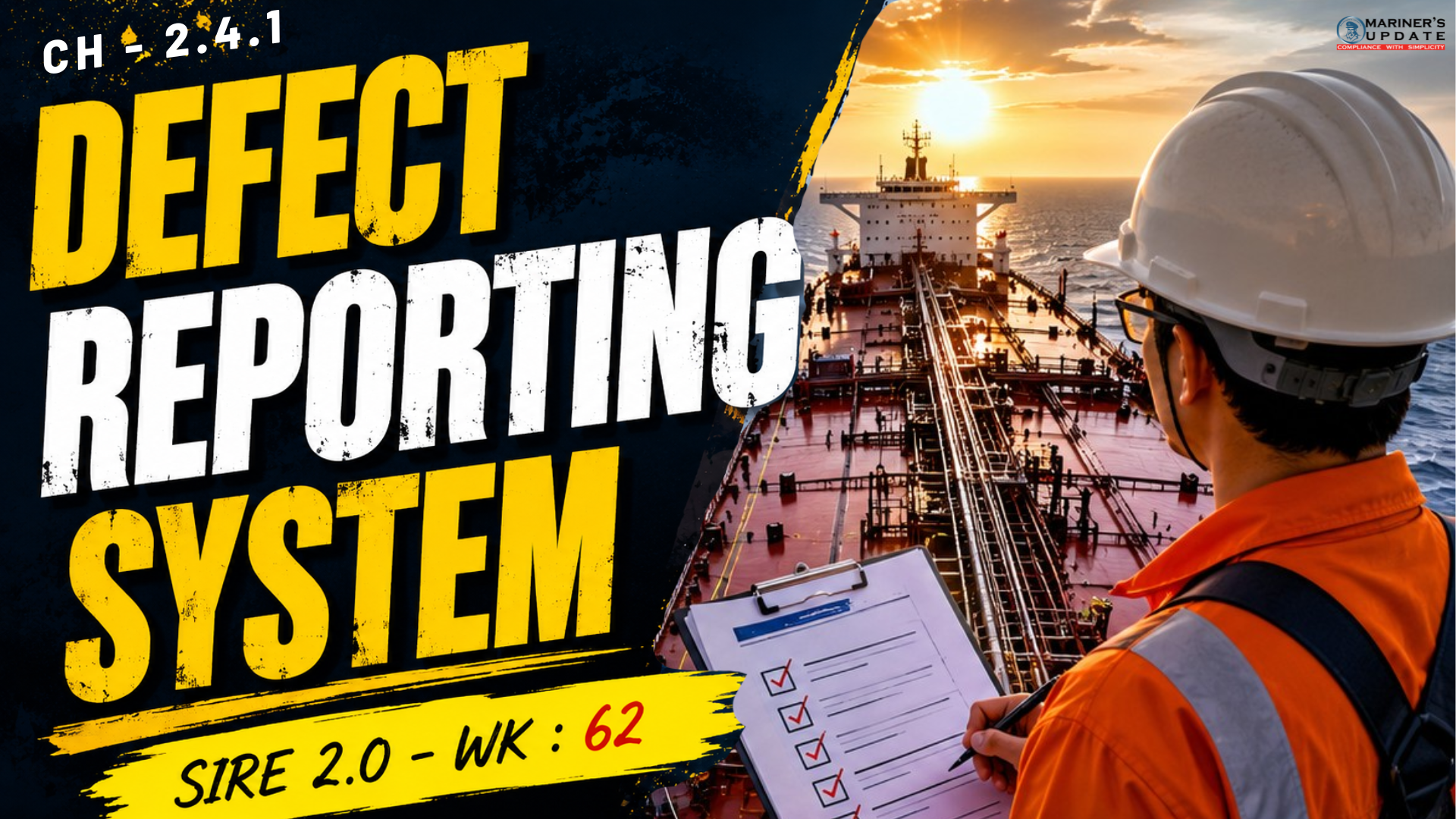
Defect Reporting System: Are All Defects Reported and Managed?
Ch 2.4.1 Were the senior officers familiar with the company procedure for reporting defects to vessel structure, machinery and equipment to shore-based management through the company defect reporting system and was evidence available to demonstrate that all defects had been reported accordingly? Applies to: OIL TANKER / CHEMICAL TANKER / […]
Read more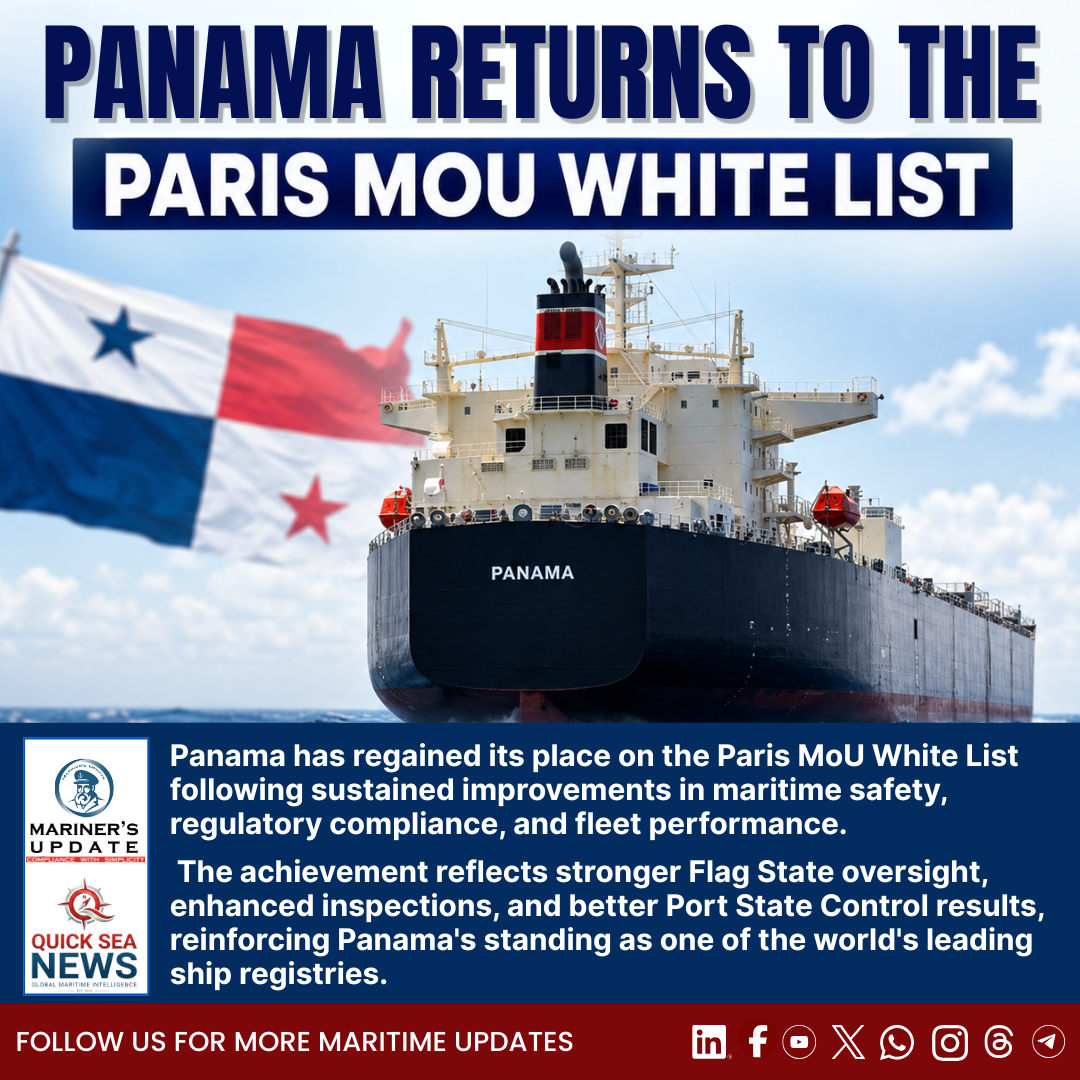
Panama Returns to Paris MoU White List, Reinforcing Flag State Quality
Panama regains its place on the Paris MoU White List following sustained improvements in safety, compliance, and Port State Control performance. Panama Rejoins Paris MoU White List After Strengthening Maritime Standards Panama has officially been reinstated on the Paris Memorandum of Understanding (Paris MoU) White List, marking a significant milestone […]
Read more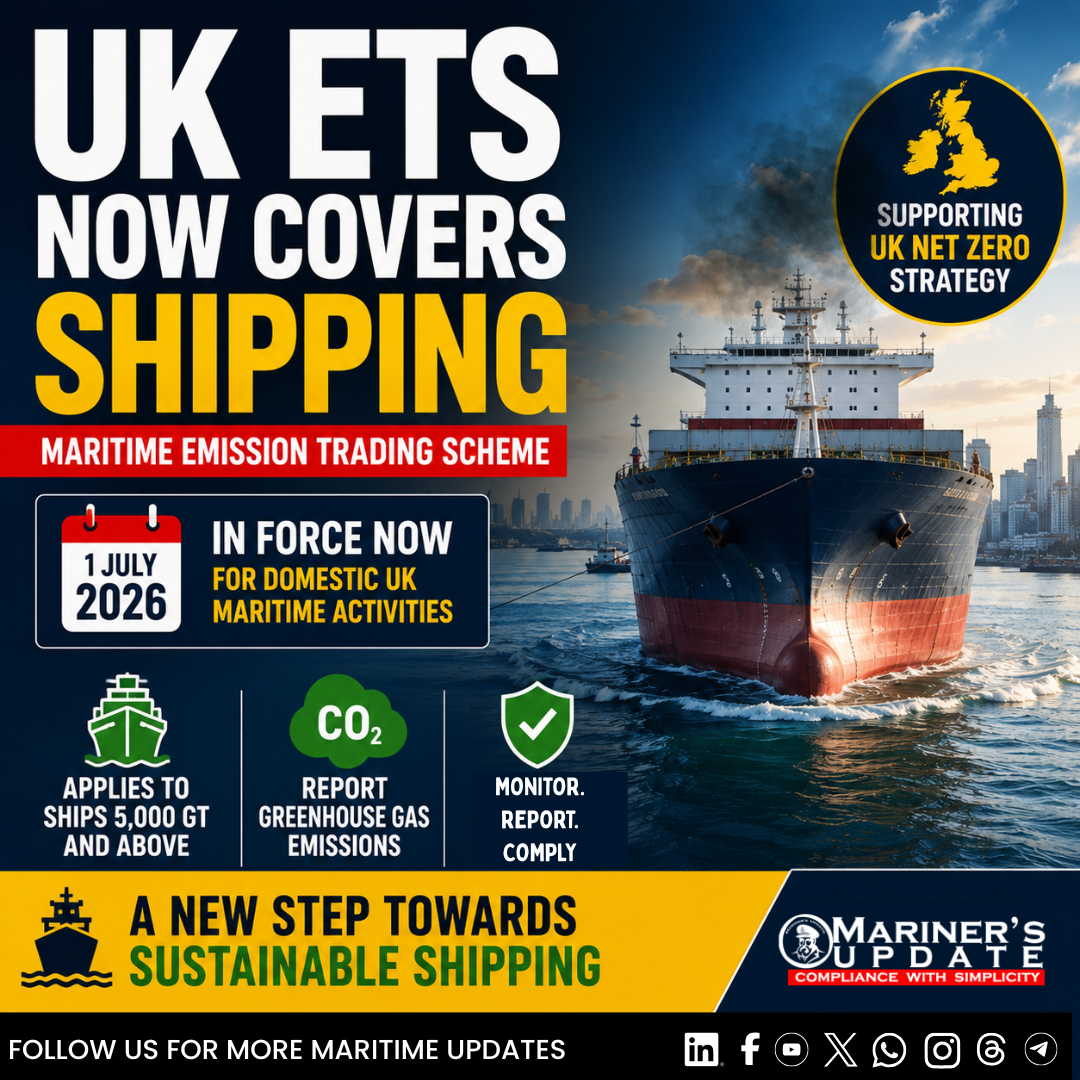
UK Emissions Trading Scheme Now Applies to Maritime Sector
New carbon reporting rules are now in force for large ships operating on UK domestic voyages, marking a major step in the UK’s maritime decarbonisation strategy. UK Launches Maritime Emissions Trading Scheme to Accelerate Shipping Decarbonisation The United Kingdom has officially expanded its Emissions Trading Scheme (UK ETS) to the […]
Read more